Skip to content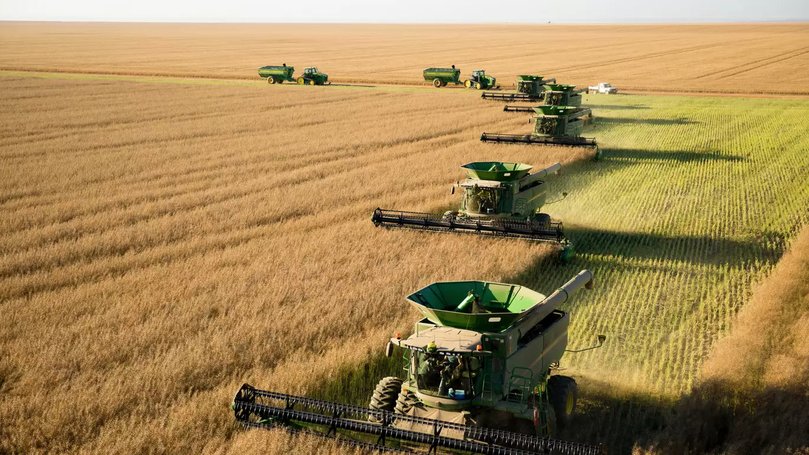
Farmers across Australia are adopting new technologies to protect crop yields as dry conditions challenge the 2026 broadacre farming season.
In the grain-growing regions of New South Wales and Western Australia Wheatbelt, large-scale farmers are increasingly using drones, soil sensors, and autonomous tractors to monitor crop health and conserve resources.
According to the Australian Bureau of Meteorology, early signs of El Niño weather patterns have contributed to below-average rainfall forecasts for parts of eastern Australia. The warning has prompted farmers to adjust planting strategies and adopt drought-resistant crops.
Grain farmer Luke Henderson, who manages a 9,500-hectare wheat and barley property near Dubbo, said technology has become essential to survival.
“Ten years ago, we relied heavily on rainfall and experience,” Henderson said. “Now, we rely on data. Soil sensors tell us exactly when crops need water, and drones help us detect stress before it spreads.”
Industry leaders say this shift toward precision agriculture is helping reduce costs while improving efficiency. The Grains Research and Development Corporation reports that more than half of Australian broadacre farms now use GPS-guided machinery and digital mapping tools.
Agricultural economist Dr. Emily Carter noted that automation is also addressing labor shortages in rural areas.
“Autonomous tractors allow farms to operate longer hours with fewer workers,” Dr. Carter explained. “This is especially important for large properties where labor availability is limited.”
Despite the challenges, farmers remain hopeful that innovation will sustain production and maintain Australia’s role as a major grain exporter.
“We’ve faced tough seasons before,” Henderson said. “With the tools we have today, we’re better prepared to handle whatever comes next.” 🌾📰🚜
By: Samuel Mwangi