Skip to content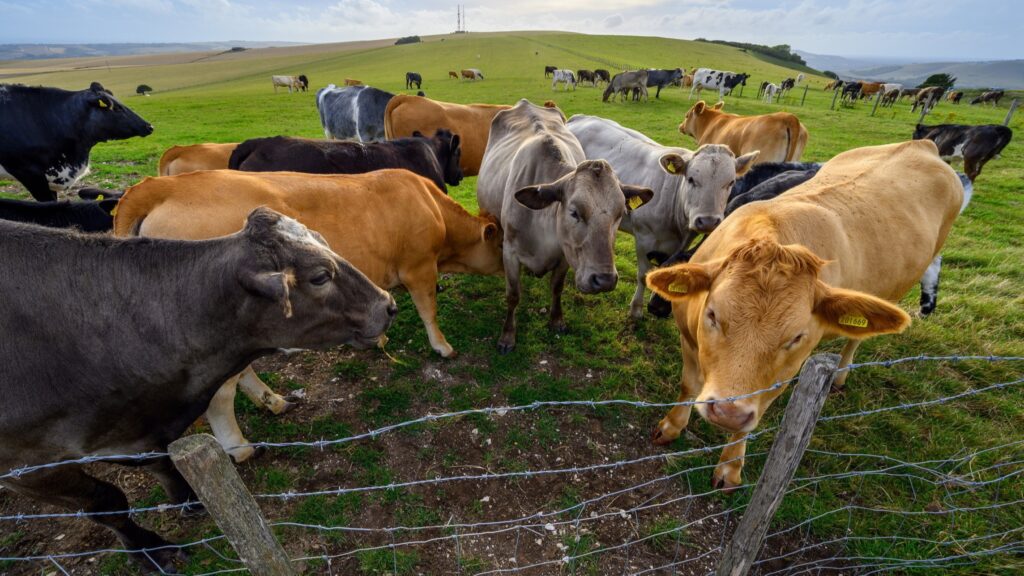
Poland is intensifying the implementation of its agricultural reform agenda, with new data from 2024 showing billions already disbursed to farmers under the country’s Common Agricultural Policy (CAP) Strategic Plan.
The plan, developed under the framework of the European Union, combines long-term sustainability goals with immediate financial support, targeting productivity, environmental protection, and rural development.
By 2024, the total budget for the 2023–2027 plan stood at approximately €25.32 billion, with €17.33 billion allocated to direct payments and €7.93 billion to rural development initiatives . During the 2024 financial year alone, Poland disbursed over 16.5 billion złoty in agricultural payments, rising to 17.4 billion złoty when national transitional support was included .
Direct payments remain the backbone of the programme, reaching about 1.235 million beneficiaries. The largest share of funding went to basic income support, eco-schemes focused on carbon farming and nutrient management, and redistributive payments aimed at balancing support between small and large farms . By mid-2024, nearly 96 percent of the planned direct payment budget had already been distributed, signaling strong uptake among farmers.
Environmental measures are also gaining traction. Eco-schemes attracted significant participation, particularly those promoting carbon farming, sustainable nutrient use, and animal welfare. Hundreds of thousands of farmers applied for these schemes, reflecting a growing shift toward greener agricultural practices . These efforts align with earlier policy goals of reducing environmental degradation, improving soil health, and enhancing biodiversity .
The livestock sector continues to receive targeted support, with substantial funding directed toward cattle and dairy farmers. At the same time, small farms are being cushioned through dedicated schemes, reinforcing the government’s commitment to inclusive agricultural growth.
Sector-specific interventions have also recorded notable progress, particularly in apiculture. Thousands of beekeepers have benefited from funding for hive modernization, disease control, and training programmes. For instance, over 7,000 beekeepers received support for upgrading their operations, while more than 37,000 benefited from measures to combat bee diseases .
Rural development programmes are expanding as well. Applications for organic farming nearly doubled between 2023 and 2024, while tens of thousands of farmers are participating in agri-environmental and climate schemes. Investments in renewable energy, including solar installations on farms, are also underway, although implementation remains at early stages in some areas .
Support for young farmers and small-scale agricultural enterprises is another key pillar. Thousands of applications have been submitted for start-up grants and farm development funding, reflecting continued interest in generational renewal within the sector.
Digitization is playing a central role in implementation. Farmers are now submitting applications through integrated electronic platforms, streamlining access to funding and reducing administrative bottlenecks. These systems have improved efficiency, shortened processing times, and enhanced transparency in fund allocation .
Despite the progress, policy adjustments continue. Poland opted not to apply certain environmental derogations in 2024, while some land-use flexibility measures introduced earlier—partly in response to the war in Ukraine—were aimed at safeguarding food production during periods of uncertainty .
Overall, the latest data suggests that Poland’s CAP Strategic Plan is moving from policy design to tangible impact. With strong farmer participation and significant financial flows already recorded, the country is positioning itself to balance agricultural productivity with environmental sustainability and rural development.
As implementation continues, the focus will shift to ensuring that these investments translate into measurable improvements in farm resilience, environmental outcomes, and long-term food security.
By: Samuel Mwangi