Skip to content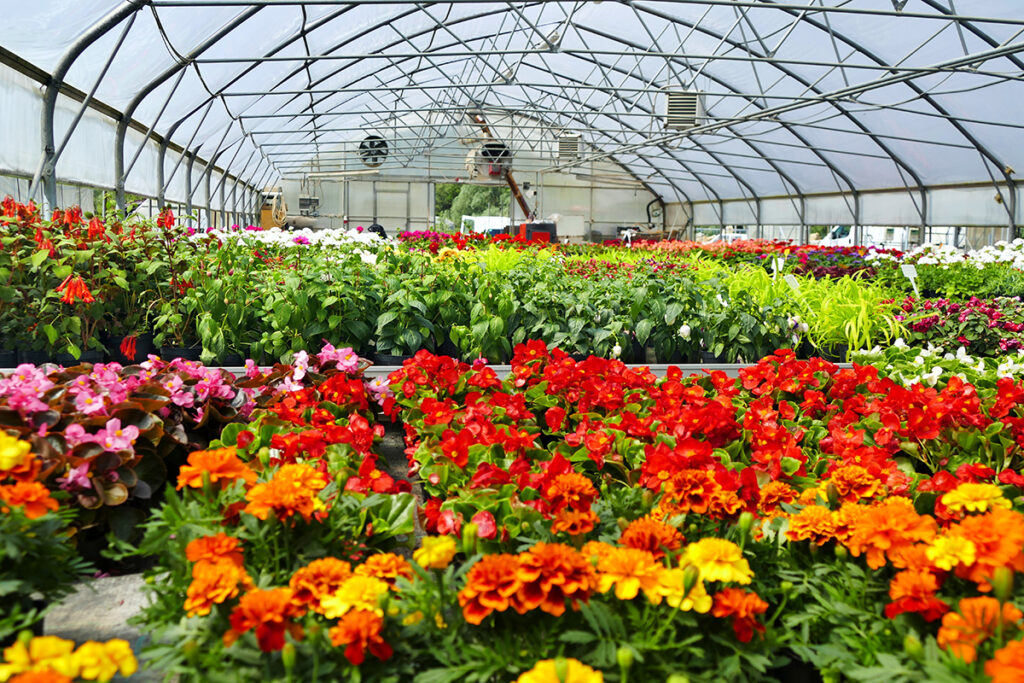
The Netherlands has emerged as a global powerhouse in agriculture and horticulture, combining innovation, efficiency, and sustainability to maintain its position as the world’s second-largest exporter of agricultural produce after the United States.
Across the country, farms produce a wide range of crops, with a strong focus on cereals such as wheat, feed crops like fodder maize, and potatoes. At the same time, the horticultural sector thrives on vegetables and flower bulbs, with Dutch greenhouses producing high-value crops such as sweet peppers and roses. These greenhouses, known for their advanced technology, allow farmers to maximize production despite limited land.
The impact of agriculture on the Dutch economy is significant. The sector generates approximately €65 billion in exports annually, accounting for 17.5 percent of the country’s total exports. Germany remains the largest trading partner, receiving about a quarter of these goods. Overall, agriculture and horticulture contribute around 10 percent to both employment and the national economy, underscoring their critical role.
However, the Netherlands is not only focused on productivity—it is also leading a transition towards more sustainable farming. In the coming years, greenhouse horticulture is expected to prioritize energy efficiency, while the livestock sector faces increasing pressure to improve animal welfare and reduce environmental impact. The government is actively working with farmers and entrepreneurs, offering subsidies and technical support to encourage sustainable practices.
One notable shift is the promotion of multifunctional agriculture. Farms are increasingly diversifying their roles by incorporating social and environmental functions. Some have become “care farms,” offering support services to vulnerable groups, while others contribute to nature conservation by setting aside land for wildlife such as meadow birds.
Organic farming is also gaining momentum. Organic farmers avoid chemical pesticides and adopt environmentally friendly practices. To strengthen the market for organic products, the government has partnered with supermarkets and agricultural organizations to expand availability and promote consumption, with a target of increasing organic sales by 10 percent.
Innovation remains at the heart of Dutch agriculture. Through initiatives like the “Greenhouse as a Source of Energy” programme, the government is supporting the development of sustainable technologies aimed at transforming greenhouses into energy-efficient systems. This reflects a broader ambition to reduce reliance on fossil fuels.
Central to this ambition is the transition to a bio-based economy. The Dutch government aims to replace 30 percent of fossil raw materials with biomass by 2030. Biomass, derived from agricultural and food industry waste, is being used to produce fuels, electricity, heat, and even bio-plastics. This shift not only reduces environmental impact but also opens up new opportunities for entrepreneurs.
Despite these advancements, challenges remain. The use of plant protection products, or pesticides, continues to raise environmental concerns. To address this, the government enforces strict regulations, requiring farmers to first adopt alternative, non-chemical methods before resorting to pesticides. Only trained and certified individuals are permitted to use these products, ensuring safety for both consumers and the environment.
As the Netherlands continues to balance productivity with sustainability, its agricultural model stands out globally. By integrating technology, environmental responsibility, and economic strategy, the country is setting a benchmark for the future of farming.
By Catherine Kamunyo