Skip to content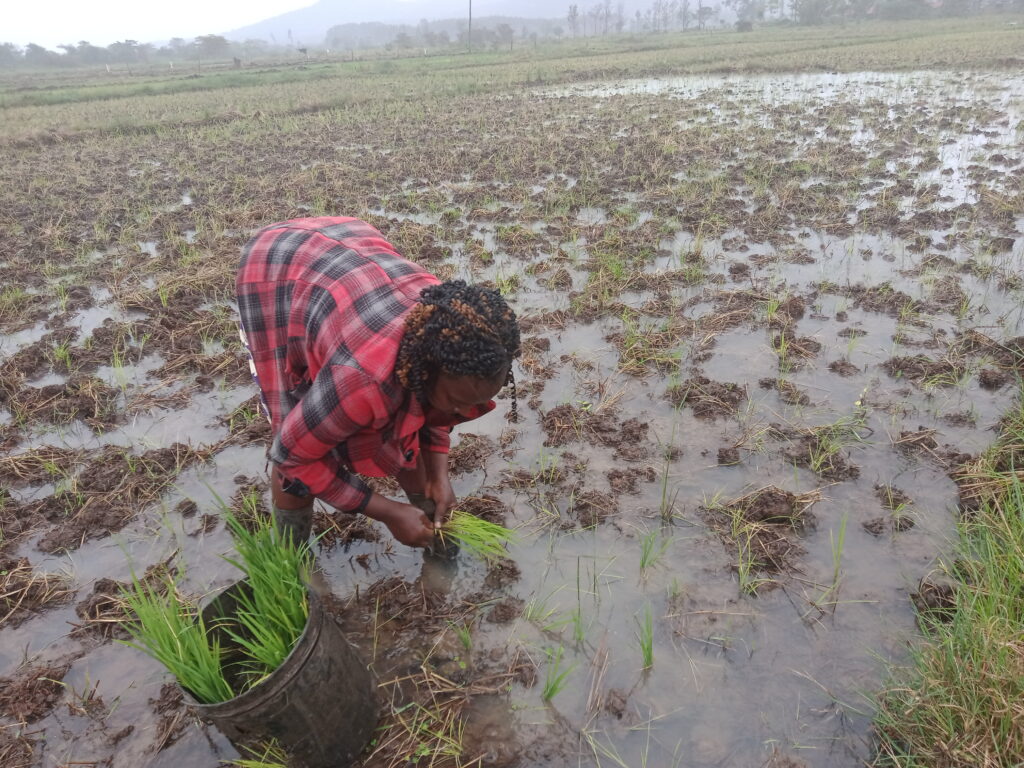
A growing number of farmers in Gaturi, Lower Kiharu in Murang’a County, are embracing rice farming as a viable cash crop, transforming what was once considered unproductive swampy land into thriving agricultural fields.
For years, large portions of land in the area remained unused due to waterlogging, making it unsuitable for conventional crops such as maize and beans. However, residents have now tapped into the potential of the wet conditions, converting over 20,000 acres into rice farms and opening up new income streams for households.
Among the early adopters is former Member of County Assembly Rosemary Wakuthi, who began rice farming in 2018. Having grown up in Mwea, Kirinyaga County—widely known as Kenya’s rice basket—Wakuthi brought valuable knowledge and experience to the region. She not only ventured into rice farming herself but also trained local farmers interested in adopting the practice.
Wakuthi recalls that the initial response from residents was hesitant, as many believed rice farming was exclusive to neighbouring Kirinyaga. Over time, however, more farmers have embraced the crop after witnessing its profitability.
“Rice farming offers better returns compared to maize, which farmers here have relied on for decades,” she said.
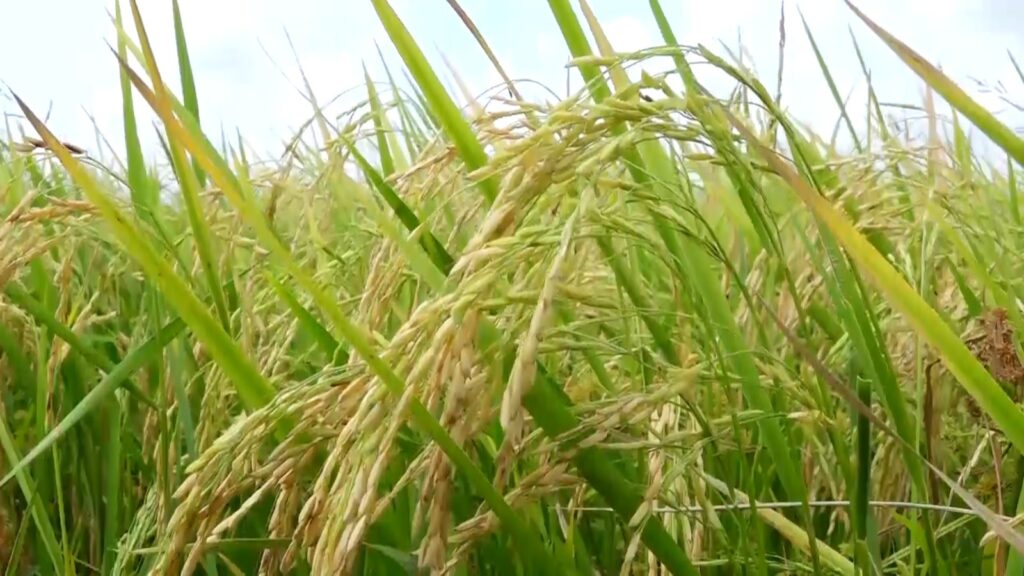
According to her, with proper management, quality seed varieties, adequate water supply, and correct use of farm inputs, one acre can produce up to 26 bags of 100 kilograms each during the first harvest, and between 16 and 20 bags in the second cycle.
To maintain quality standards, Wakuthi sources certified seedlings from the National Cereals and Produce Board in Kirinyaga. She also maximizes her profits by avoiding middlemen, instead transporting her produce to millers in Mwea before selling to traders.
She further noted that rice from Gaturi has gained a competitive edge in the market due to its distinct aroma, which she attributes to the local soil composition.
Despite the success, farmers face several challenges, including the high cost of farm inputs, attacks by quelea birds, and insufficient irrigation water.
“The government should consider subsidizing farm inputs for rice farmers, just as it does for maize farmers,” Wakuthi urged.
Another farmer, John Mwangi, transitioned from dairy and maize farming after observing the success of his neighbours. He says rice farming has significantly improved his earnings.
On his one-acre farm, Mwangi harvests approximately 25 bags of unprocessed rice during the first season and about 16 bags in the second. He sells his produce to brokers at the farm gate, where a 100-kilogram bag fetches between KSh 5,000 and KSh 6,600 depending on market demand.
Mwangi explained that the second harvest is often more profitable since it requires fewer inputs, mainly weeding and manure application.
As adoption continues to grow, rice farming is steadily transforming livelihoods in Gaturi, demonstrating how farmers can turn environmental challenges into economic opportunities.
By: Rebecca Wangari