Skip to content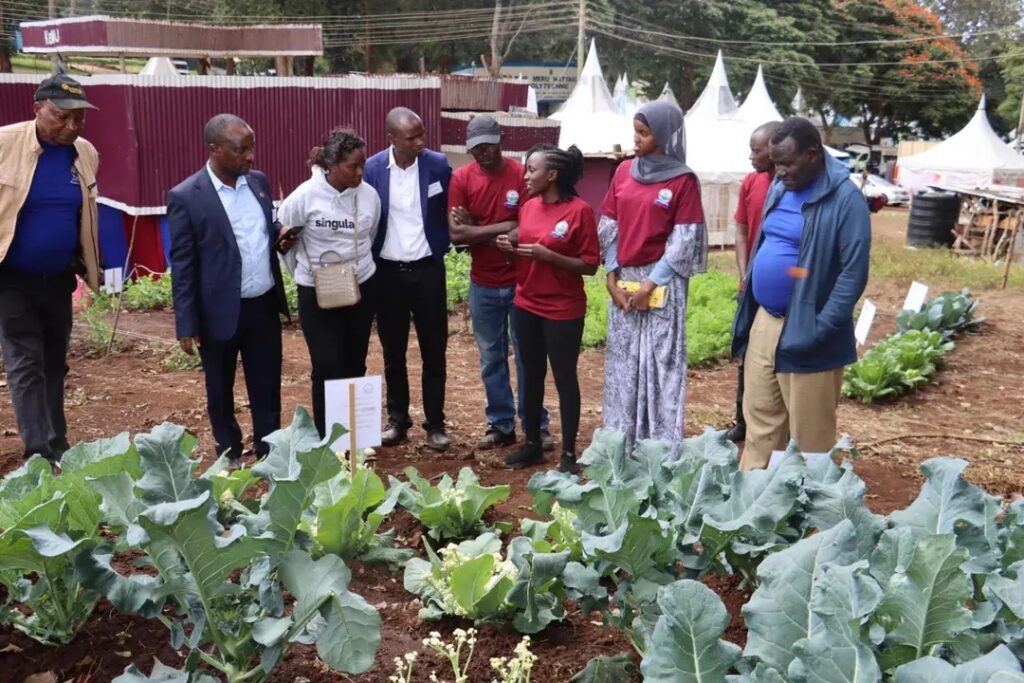
The Department of Agriculture is showcasing a range of innovative technologies and modern farming practices aimed at improving food security, increasing livestock productivity, and promoting sustainable agricultural development.
The technologies, which cover both livestock and crop production, are designed to help farmers improve efficiency, reduce production costs, and enhance resilience in the face of climate change and other agricultural challenges.
Among the key innovations on display is the promotion of improved Napier grass varieties, including Giant Napier and Red Napier. Giant Napier is recognized for its high biomass production and superior fodder value, while Red Napier is valued for its drought tolerance and nutritional quality, making it suitable for livestock feeding in areas experiencing erratic rainfall.
The department is also demonstrating the Livestock Management System (LYMA), a digital platform that supports livestock farmers through improved animal health monitoring, record management, breeding control, and overall farm productivity. The technology is expected to enable farmers to make informed management decisions and improve profitability.
Another major innovation being highlighted is lignocellulose reduction through fermentation. The technology converts agricultural residues into more digestible livestock feed by breaking down complex plant fibers, allowing farmers to utilize crop waste more efficiently while reducing feed costs.
Similarly, the department is showcasing improved hay production through fermentation. By reducing lignocellulose content, the process enhances the nutritional value, digestibility, and palatability of hay, ensuring livestock receive better-quality feed throughout the year.
To further support livestock production, farmers are being introduced to Azolla cultivation. The aquatic fern is rich in protein and can be produced at a low cost, providing an affordable and sustainable feed supplement for dairy cattle, poultry, pigs, and fish.
The exhibition also features a vertical silage silo, an innovative fodder preservation technology that enables farmers to maximize storage space while maintaining the quality of silage. The technology is particularly useful for farmers seeking to preserve feed during periods of surplus production for use during dry seasons.
In the crop production sector, the department is demonstrating best agronomic practices for a variety of high-value and food-security crops. These include carrots, red cabbage, Chinese cabbage, broccoli, cauliflower, pigeon peas, and tomatoes.
Carrots are being promoted as a nutritious and profitable crop with strong market demand, while red cabbage and Chinese cabbage offer farmers opportunities to diversify production and increase household incomes. Chinese cabbage, in particular, is gaining popularity due to its fast maturity and high market demand.
Broccoli and cauliflower are also attracting attention because of their growing demand in urban markets and their high nutritional value. The department is demonstrating improved cultivation techniques aimed at increasing yields and enhancing crop quality.
Pigeon peas, a drought-tolerant legume, are being promoted for their role in improving food security, enhancing soil fertility through nitrogen fixation, and generating income for farming households. Tomatoes, one of the country’s most important horticultural crops, are also featured, with farmers learning modern production methods designed to boost productivity and profitability.
The department says the showcased technologies represent practical solutions that can help farmers increase production, improve food and nutritional security, and strengthen the agricultural sector’s contribution to economic growth. By embracing innovation and sustainable farming practices, farmers are expected to build more resilient and productive agricultural enterprises for the future.
By: Samuel Mwangi