Skip to content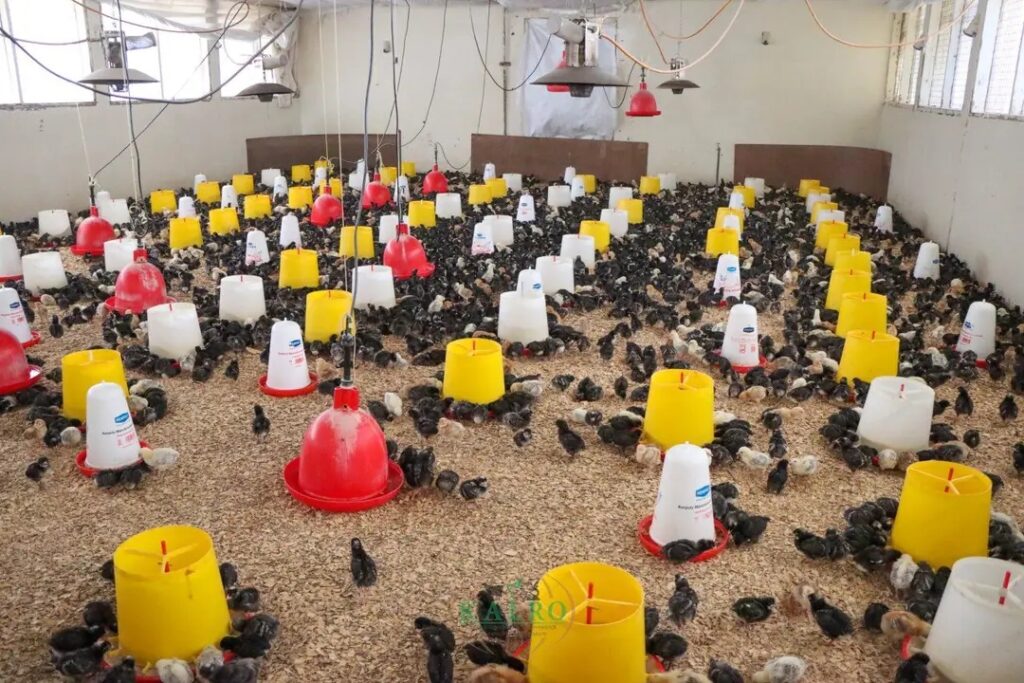
The Kenya Agricultural and Livestock Research Organization Non-Ruminants Research Centre (NRRC) in Naivasha is increasingly playing a critical role in strengthening poultry farming in Kenya through research, technology development, and production of quality chicks and eggs for farmers across the country.
The Centre, which is among KALRO’s newest research facilities, recently hosted the KALRO Board of Management during a week-long tour aimed at assessing ongoing research projects, engaging with staff, and evaluating the Centre’s contribution to the agricultural sector.
The Board visit focused on understanding how the facility is helping improve poultry production through modern research technologies and dissemination of best farming practices to poultry farmers.
Led by KALRO Board Chairman Thuo Mathenge, the delegation toured various sections of the Centre and interacted with researchers and technical staff involved in poultry research and breeding programmes.
During the visit, Board members commended the progress being made at the facility, noting that the Centre has become an important institution in promoting non-ruminant farming technologies in the country.
The NRRC specializes in poultry research and serves as a major producer of eggs and chicks used by farmers for both commercial and small-scale poultry farming.
Researchers at the Centre are working on improving poultry breeds, enhancing disease management, and developing better feeding and management systems aimed at increasing productivity and profitability for farmers.
Speaking during the visit, Dr. Mathenge reaffirmed the Board’s commitment to supporting the Centre and ensuring that technologies developed through research reach more farmers across the country.
“The Board is committed to supporting the Centre and ensuring that technologies developed through research are widely disseminated to farmers to improve poultry production and livelihoods,” said Dr. Mathenge.
He noted that poultry farming continues to play a significant role in food security, income generation, and employment creation, particularly among youth and women in rural areas.
KALRO Director General Patrick Ketiem also challenged staff at the Centre to embrace teamwork and innovation in order to improve efficiency and productivity.
“The Centre remains strategically important as KALRO’s key poultry research and supply hub, and teamwork among staff is essential in enhancing productivity and service delivery,” said Dr. Ketiem.
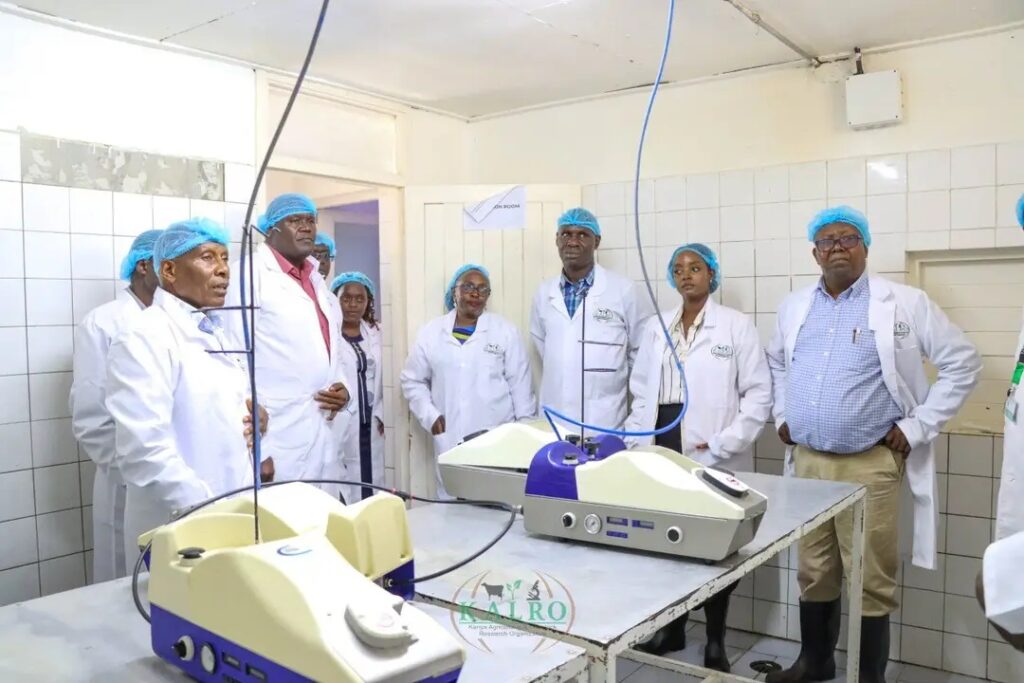
Officials noted that the Centre is helping farmers access improved poultry technologies through training programmes, supply of quality chicks, and dissemination of modern poultry management practices.
The facility also supports research on poultry nutrition, disease control, breeding systems, and hatchery management, areas that are considered crucial in improving the country’s poultry industry.
Agricultural experts say improved poultry technologies are increasingly important as demand for poultry products such as eggs and chicken meat continues to rise both locally and regionally.
By producing quality chicks and conducting research on better poultry management systems, the Centre is helping farmers reduce losses associated with diseases and poor productivity.
Stakeholders in the livestock sector believe strengthening institutions such as the NRRC will play a key role in modernizing poultry farming and improving food security in the country.
Researchers further noted that adoption of improved poultry technologies can help farmers increase production, lower operational costs, and generate higher incomes from poultry farming.
As the government and research institutions continue investing in agricultural innovation, the NRRC is now emerging as a major centre in advancing poultry research and supporting farmers with practical solutions aimed at transforming Kenya’s poultry sector.
By: Samuel Mwangi