Skip to content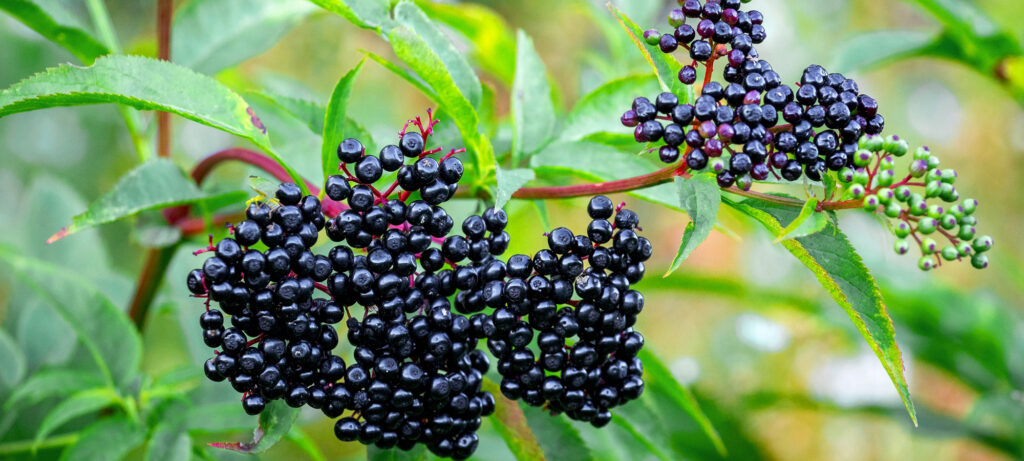
Kenyan farmers in the country’s highland regions are beginning to embrace elderberry farming as demand for natural immune-boosting products continues to rise globally.
The crop, popularly known for the production of elderberry syrup, has gained international attention in the wellness industry, with the global elderberry products market now valued at more than one billion US dollars. Kenya is currently importing elderberry products even as local production remains low, creating a gap that farmers can exploit for commercial gain.
In pharmacies and organic food stores, imported elderberry syrup retails at between Sh2,000 and Sh3,500 for a 500ml bottle, while dried berries fetch up to Sh3,000 per kilogram. Agricultural experts now say farmers in cooler regions such as Murang’a, Nyeri, Kiambu, Kericho, Nakuru and Nandi can tap into the growing market by producing and processing the medicinal berry locally.
Elderberry thrives in cool temperatures ranging between 15 and 25 degrees Celsius and performs well in areas located between 1,200 and 2,500 metres above sea level. The crop requires well-drained loamy soils rich in organic matter and moderate rainfall distributed throughout the year.
Agronomists explain that farmers first need to secure quality planting materials, mostly propagated through hardwood cuttings rather than seeds. The cuttings are planted during the rainy season at a spacing of about two metres between plants and three metres between rows.
Farmers are advised to prepare planting holes measuring about 45 centimetres deep and wide before mixing the soil with well-decomposed manure. Mulching is also encouraged to retain moisture and suppress weeds.
Unlike many traditional crops, elderberry is a long-term investment. The shrub can remain productive for between 15 and 25 years under proper management. However, significant harvesting begins from the third year after planting.
Agricultural specialists note that one acre can accommodate approximately 1,200 plants and produce between five and seven tonnes of berries annually once the crop reaches full maturity.
To achieve high yields, farmers are encouraged to adopt drip irrigation systems, especially in areas with unreliable rainfall. Experts say elderberry is sensitive to drought stress, particularly during flowering and fruit formation.
Regular pruning is another critical practice because the plant produces more berries on young vigorous stems. Farmers are therefore advised to remove old or weak branches during the dry season to encourage new growth.
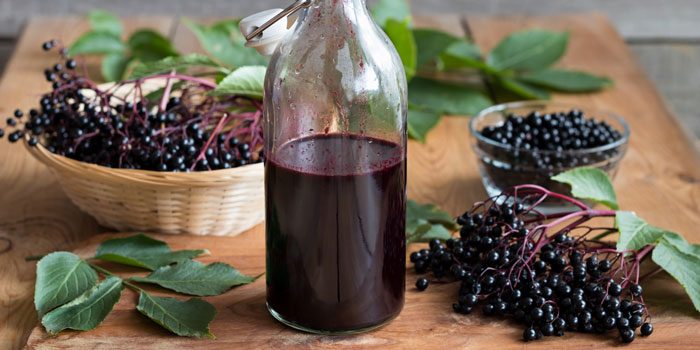
The crop also benefits from pollination by bees, prompting some farmers to integrate beekeeping into their farms for additional income through honey production.
One of the major advantages of elderberry farming is value addition. Raw elderberries cannot be consumed directly because they contain naturally occurring compounds that may cause stomach discomfort. As a result, the berries must be processed into syrup, juice, dried products or supplements before consumption.
This requirement has opened opportunities for farmers to venture into processing and increase their earnings significantly.
Agricultural value chain experts say farmers selling fresh berries can earn between Sh250 and Sh350 per kilogram at the farm gate. However, those who process the berries into syrup or dried products can earn several times more.
A farmer producing syrup, for example, can generate millions of shillings annually from a single acre due to the premium prices associated with wellness products.
Industry players say Kenya already has a ready market for elderberry products through health stores, pharmacies, wellness outlets and herbal medicine shops that currently rely heavily on imported products.
Export opportunities are also emerging as demand for natural immune-boosting products rises in Europe and other international markets.
Despite the promising returns, farmers venturing into elderberry farming face several challenges including limited availability of seedlings, high establishment costs and low awareness about the crop among consumers.
Bird attacks and root rot caused by waterlogged soils also remain major concerns for growers.
Agricultural experts are therefore encouraging farmers to start on small portions of land as they learn the crop’s management practices and build reliable market connections.
They also advise farmers to invest in simple processing equipment such as solar dryers and syrup-making facilities to extend shelf life and increase profitability.
Experts say the future of elderberry farming in Kenya lies in combining production with value addition and targeting the growing wellness market.
With increasing global demand for natural health products and Kenya’s favourable highland climate, elderberry is steadily emerging as a profitable diversification crop for farmers seeking alternatives to traditional farming ventures.
By: Samuel Mwangi