Skip to content
Food safety should be viewed as a tool for empowering farmers and improving livelihoods rather than a burden that limits access to markets, KALRO Director General Patrick Ketiem has said.
Speaking during the celebrations to mark World Food Safety Day, Dr. Ketiem emphasized the need for stakeholders across the agricultural value chain to embrace food safety as a pathway to better incomes, improved public health, and expanded market opportunities for farmers.
He noted that as global markets continue to demand higher standards of food quality and traceability, Kenyan farmers must be supported to meet these requirements through science-driven solutions, innovation, and strategic partnerships.
“Food safety is more than compliance. It is a pathway to dignity, market access, and economic empowerment for farmers,” said Dr. Ketiem.
The Director General observed that food safety remains a critical component in agricultural production, especially as consumers become increasingly concerned about the quality and safety of the food they consume. He added that safe food production not only protects consumers from food-borne illnesses but also enhances the competitiveness of agricultural products in local, regional, and international markets.
Dr. Ketiem stressed that smallholder farmers, who form the backbone of Kenya’s agricultural sector, should not be disadvantaged by food safety regulations. Instead, he said, institutions must work together to ensure that farmers have access to the knowledge, technologies, and resources required to comply with food safety standards.
“At KALRO, we believe food safety should not be a barrier that excludes smallholder farmers from formal markets, but a tool that unlocks opportunities, better prices, and improved livelihoods,” he said.
He highlighted the role of research in developing practical and affordable technologies that help farmers reduce contamination risks, improve handling practices, and enhance product quality throughout the value chain.
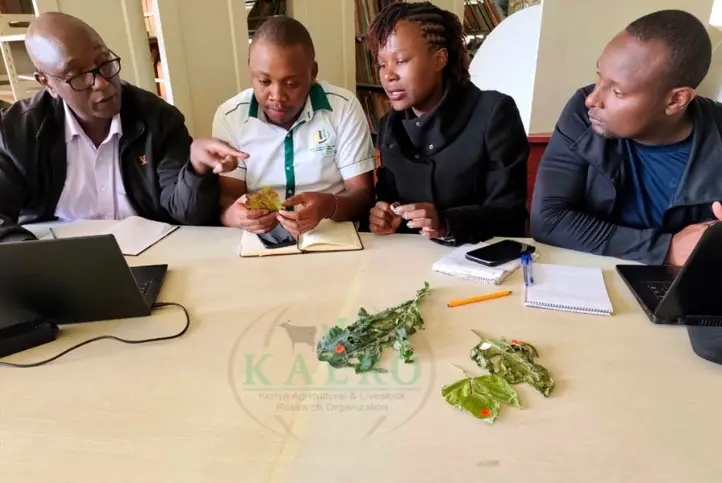
According to the KALRO chief, the institution has continued to invest in scientific research aimed at promoting sustainable agricultural production while ensuring that food reaching consumers is safe and nutritious. These efforts, he noted, are being implemented through collaboration with government agencies, development partners, private sector players, and farming communities.
Dr. Ketiem further underscored the importance of innovation in addressing emerging food safety challenges brought about by climate change, changing production systems, and evolving consumer preferences. He said research institutions have a responsibility to generate evidence-based solutions that respond to these challenges while supporting farmers to remain productive and profitable.
“Through science, innovation, partnerships, and evidence-based solutions, we are working to make safe food production accessible, affordable, and beneficial to every farmer,” he said.
The Director General called on all stakeholders in the agriculture sector to strengthen efforts aimed at promoting food safety awareness and adoption of best practices across production, processing, transportation, and marketing stages.
He noted that transforming food safety into a competitive advantage would enable Kenyan farmers to access premium markets and improve their earnings while contributing to national food and nutrition security.
Dr. Ketiem maintained that access to safe food is a fundamental right for all consumers and urged farmers, researchers, policymakers, and industry players to work together in building a resilient and food-safe agricultural sector.
“Safe food is not a luxury; it is a right. Together, let us transform food safety from a compliance burden into a competitive advantage for Kenyan agriculture,” he said.
By: Samuel Mwangi