Skip to content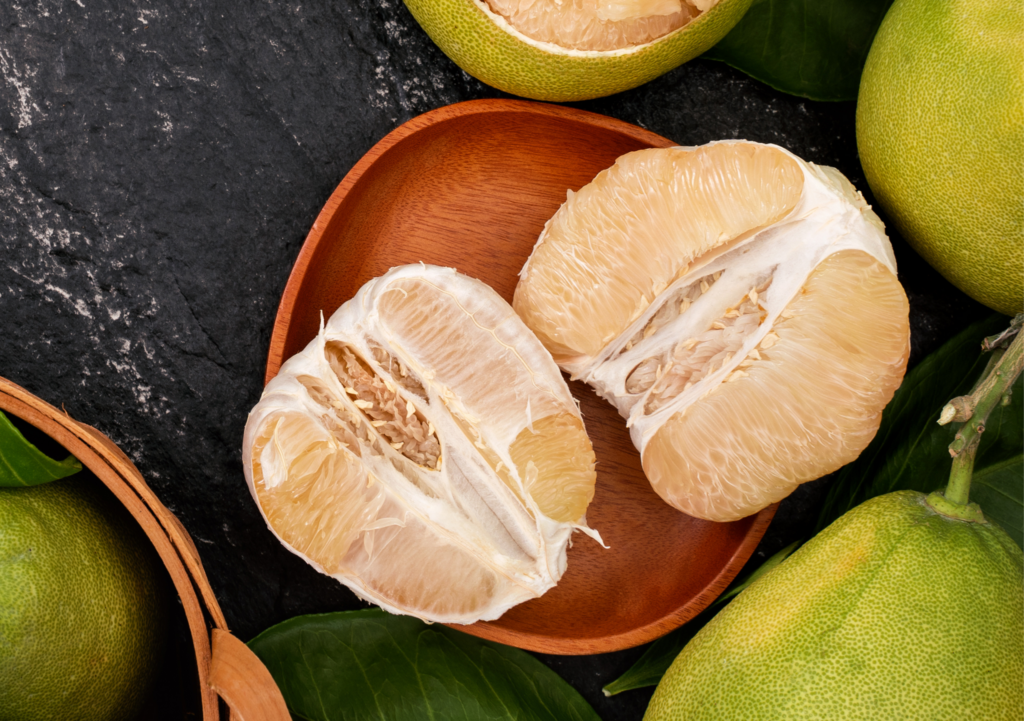
For decades, oranges, lemons, and tangerines have dominated Kenya’s citrus industry. However, a lesser-known fruit is slowly attracting attention from farmers, traders, and consumers seeking new opportunities in the agricultural sector. Pomelo, the world’s largest citrus fruit, is emerging as a promising high-value crop that could transform incomes for farmers willing to invest in its long-term potential.
Although still uncommon in most Kenyan markets, pomelo is gaining popularity due to its unique characteristics. The fruit, often mistaken for grapefruit, is sweeter, less bitter, and larger in size, with some fruits weighing up to three kilograms. Its thick rind also gives it a longer shelf life, making it suitable for transportation and marketing across long distances.
Agricultural experts say the fruit’s rarity in Kenya is one of the factors driving interest among progressive farmers.
“Many farmers are looking for alternatives to traditional crops that face market saturation,” says an agronomist specializing in fruit production. “Pomelo offers a niche market with relatively high prices and growing consumer demand.”
The crop thrives in tropical and subtropical climates with temperatures ranging between 20 and 30 degrees Celsius. Counties such as Makueni, Machakos, Kitui, Kilifi, Murang’a, Kirinyaga, and parts of Kisii have conditions favorable for commercial production.
Unlike annual crops that provide quick returns, pomelo requires patience. Farmers must wait between three and four years before receiving meaningful harvests. During the early years, the trees focus on root establishment and canopy development.
Despite the long waiting period, growers are encouraged by the crop’s productivity once maturity is reached. Well-managed orchards can produce thousands of kilograms of fruit per acre annually, with production remaining stable for over two decades.
The financial prospects are particularly attractive. Current farm-gate prices range from KSh100 to KSh200 per kilogram, while premium outlets such as supermarkets and hotels often pay significantly more. Some individual fruits retail at between KSh200 and KSh400 due to their size and unique appeal.
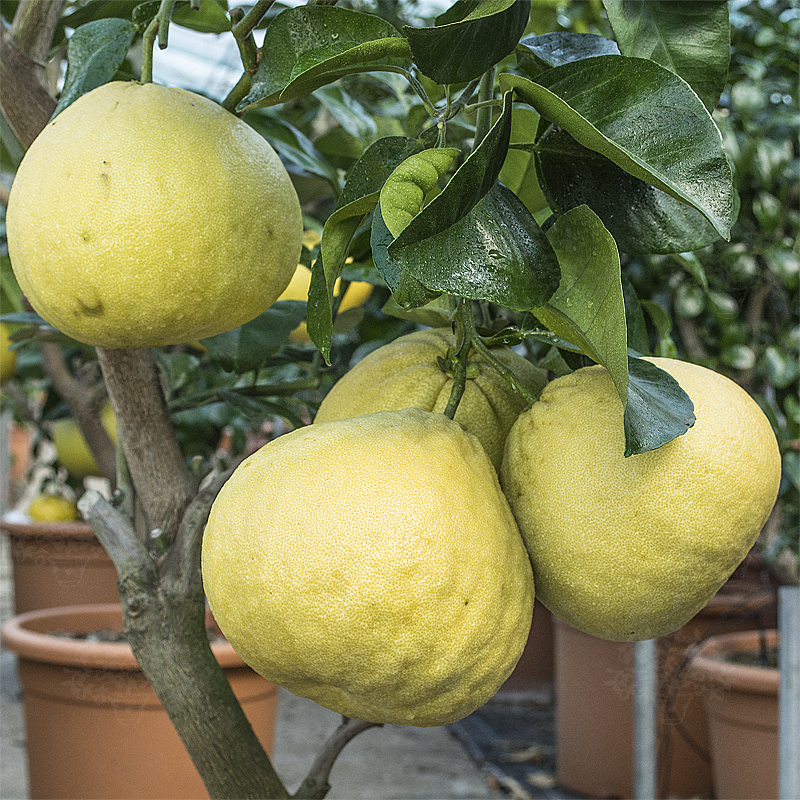
For farmers like those experimenting with the crop in Eastern Kenya, pomelo represents a chance to diversify income and reduce reliance on traditional farming enterprises.
“We are seeing increasing interest from consumers who want healthy and unique fruits,” says a fruit trader in Nairobi. “When pomelo arrives in the market, customers are curious to try it because of its size and sweet taste.”
Establishing a pomelo orchard requires careful planning and investment. Certified grafted seedlings currently cost between KSh300 and KSh500 each, with farmers advised to avoid seed-grown plants that often produce inconsistent fruit quality. A one-acre orchard typically accommodates between 100 and 120 trees, depending on spacing.
Experts estimate that establishing an acre of pomelo can cost between KSh80,000 and KSh130,000 during the first year. These costs include seedlings, manure, land preparation, irrigation, and maintenance. While this may appear expensive, proponents argue that the long-term returns justify the investment.
One challenge facing potential growers is the limited awareness of pomelo among Kenyan consumers. Unlike oranges or mangoes, many people are unfamiliar with how to peel and eat the fruit. Industry players believe consumer education will play a key role in expanding demand.
Supermarkets, hotels, restaurants, and juice processors are among the leading buyers currently driving market growth. The fruit is increasingly finding its way into breakfast buffets, fresh juice blends, salads, and specialty fruit sections.
Export opportunities also exist. International demand for pomelo remains strong in regions such as the Middle East, Europe, and parts of Asia. However, accessing export markets requires adherence to strict quality standards, proper grading, and compliance with phytosanitary regulations.
As interest grows, agricultural specialists are urging farmers to approach pomelo farming strategically. They recommend starting with small orchards to gain practical experience before expanding production. Intercropping with vegetables, legumes, or other short-term crops during the establishment phase can help generate income while waiting for the trees to mature.
Farmers are also advised to invest in soil testing, irrigation systems, and quality planting materials to maximize productivity and reduce future challenges.
With changing consumer preferences and increasing demand for premium fruits, pomelo appears poised to carve out a place in Kenya’s agricultural landscape. While it may not replace traditional citrus crops anytime soon, industry observers believe it offers a valuable opportunity for farmers seeking diversification and long-term profitability.
As more growers embrace the giant citrus fruit, pomelo could soon become one of Kenya’s most sought-after specialty crops, proving that sometimes the biggest opportunities come from the least expected fruits.
By: Samuel Mwangi